
Carry Light, Cast Far: Urban Transit Angling Essentials
Today we explore Essential Gear for Anglers Traveling by Transit, sharing compact solutions that ride buses and trains as smoothly as they handle wind-chopped water. Expect practical packing advice, field-tested picks, and small details that prevent messes, protect fellow passengers, and keep you casting sooner. Share your favorite pack-friendly item at the end, and subscribe for future urban-ready techniques, quick setups, and city shoreline strategies that turn short commutes into memorable sessions with fish and fresh stories.
Packable Rods and Smart Protections
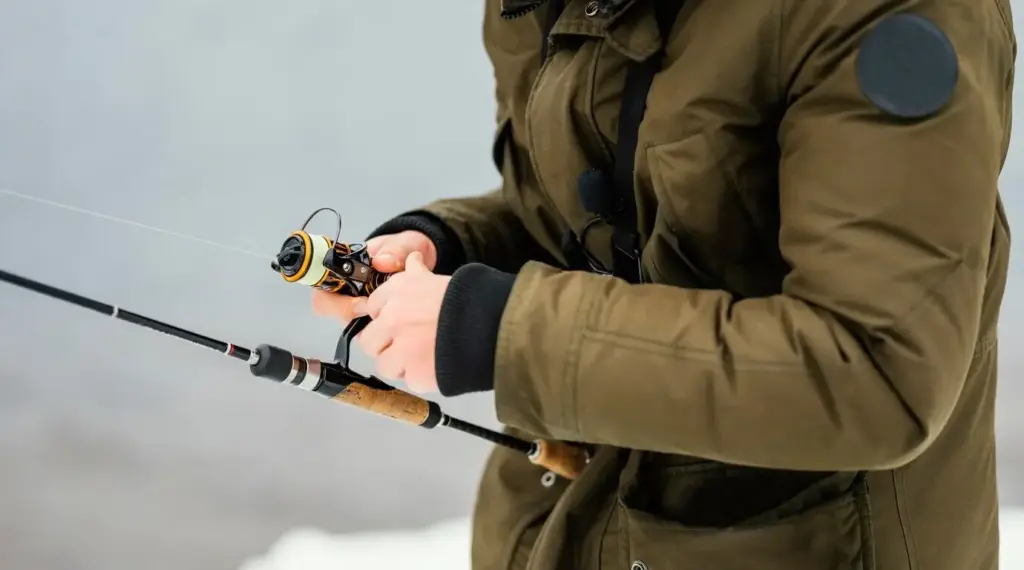
Balancing portability with performance begins with a packable rod that collapses short yet casts confidently beside pylons, piers, and canal walls. Choose lengths and actions suitable for your target species, and ensure collapsed dimensions fit under seats or overhead racks without bumping neighbors. Protective sleeves, tip guards, and lure wraps matter as much as blank quality, preventing snags, chipped guides, and awkward apologies during crowded rush-hour rides.
Telescopic versus Multi‑Piece Setups
Telescopic rods collapse quickly and stash under forty-five centimeters, ideal for squeezing through train doors, while multi‑piece travel rods offer stronger ferrules and consistent tapers. If you hop lines often, rapid deployability is gold. Medium‑light to medium power covers versatile urban tactics. Practice assembling on a bench so sections seat fully without twisting, preserving accuracy and avoiding mid‑cast surprises over busy waterfront promenades.
Cases, Sleeves, and Hook Keepers
A slim semi‑rigid case shields guides from elbows and turnstiles, while a soft sleeve prevents scuffs when sliding beside laptop compartments. Add an external hook keeper, lure wrap, or neoprene hook sock to trap exposed points. These tiny barriers protect commuters’ clothing, your backpack lining, and your schedule. When everything stays contained and respectful, you’ll feel welcome rolling into any line, even on rainy mornings.
Compact Nets and Measuring Aids
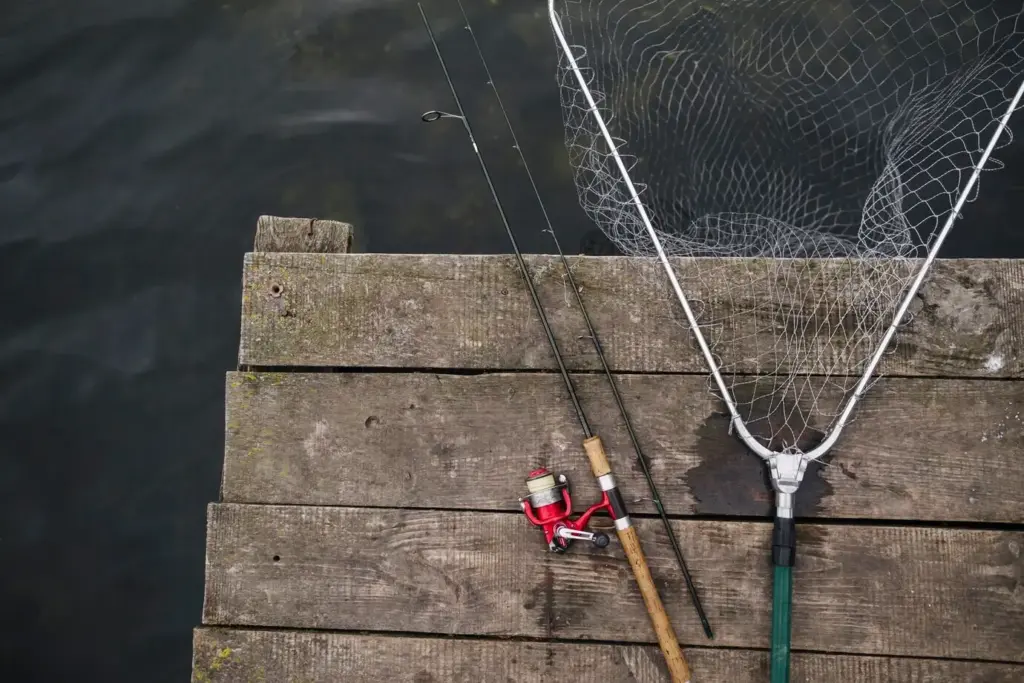
Folding nets with rubberized mesh protect slime coats and fold flat against a sling pack. They clip near your shoulder where they won’t whack strangers during abrupt stops. Stick-on rulers on rod butts or pack flaps help rapid, compliant measurements. Choose net handles that telescope briefly, just enough to reach over guardrails. Lightweight hardware is quiet, tidy, and keeps your release quick, legal, and stress‑free.
Tackle That Won’t Upset Fellow Riders
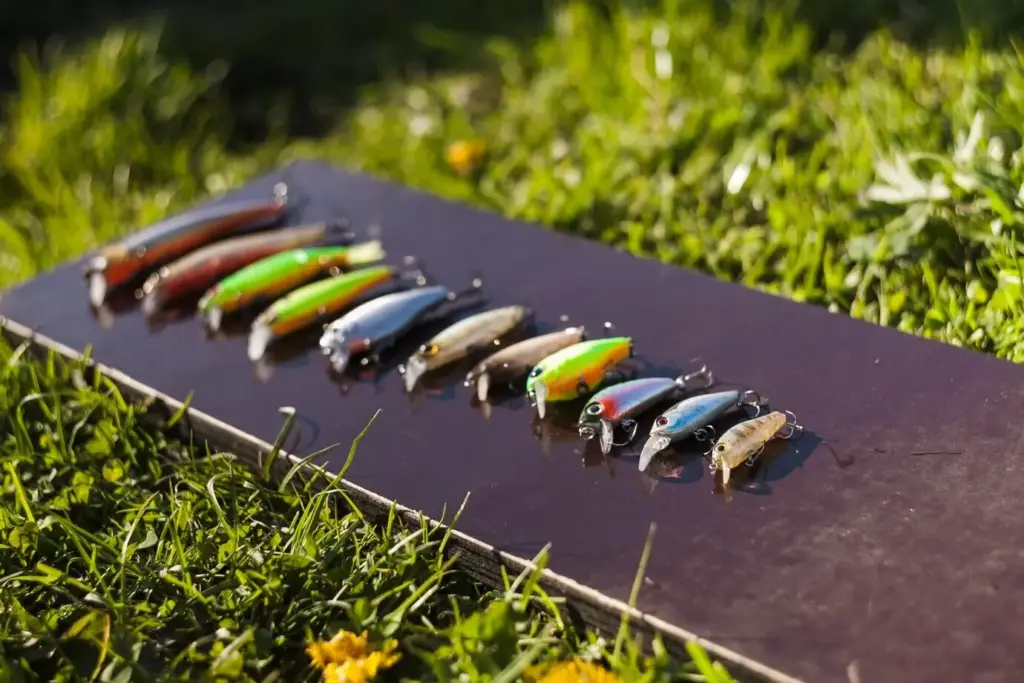
Transit-friendly tackle is secure, quiet, and purposeful. Curate a small, species-specific selection that covers top, middle, and bottom columns without overflowing boxes. Use single hooks when possible, and protect every point. Prioritize tools that cut cleanly yet comply with local carriage rules. When your kit remains compact and considerate, you’ll step off ready to fish without leaving a trail of clinks, smells, or accidental snags behind.
Bags, Modules, and Urban Flow
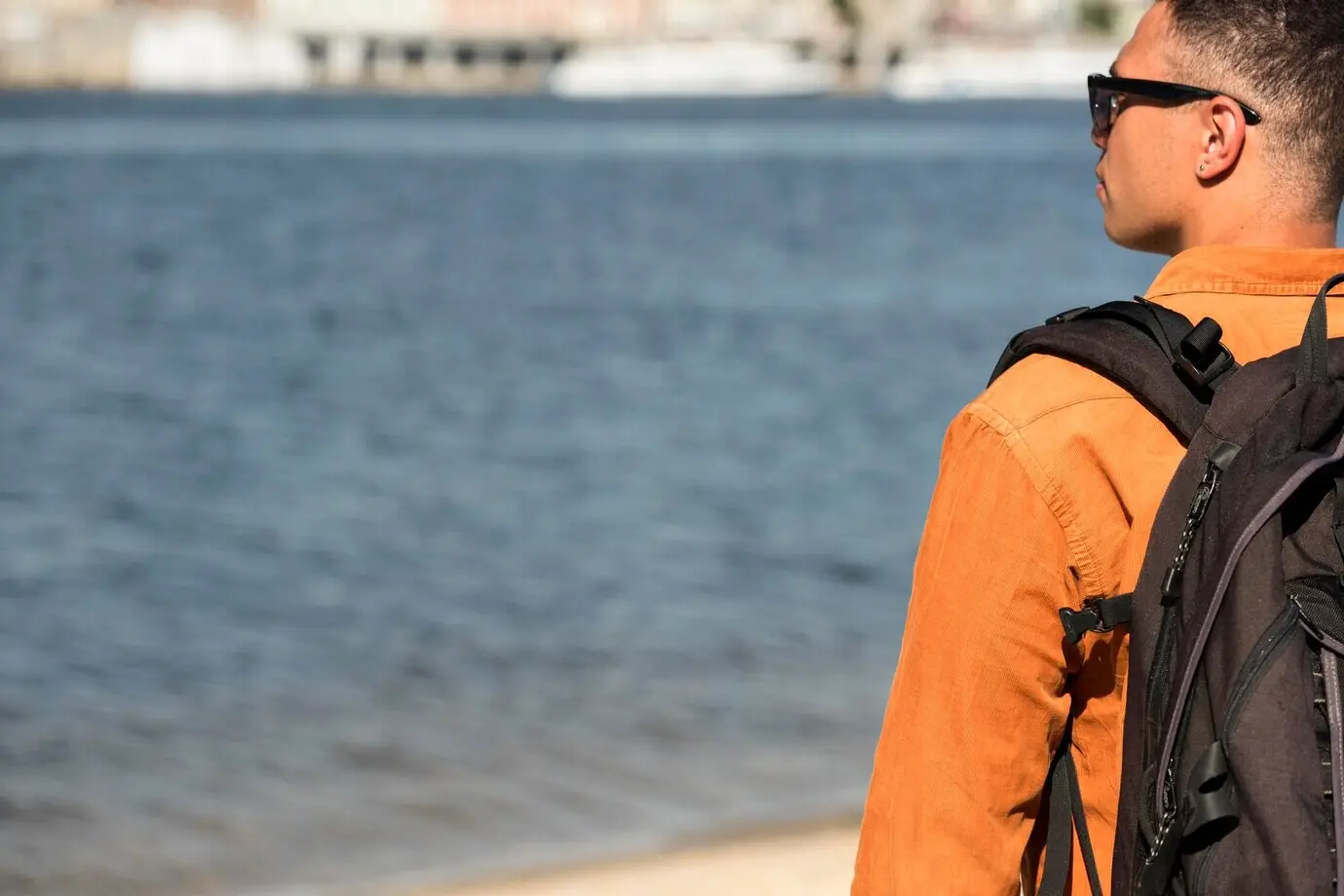
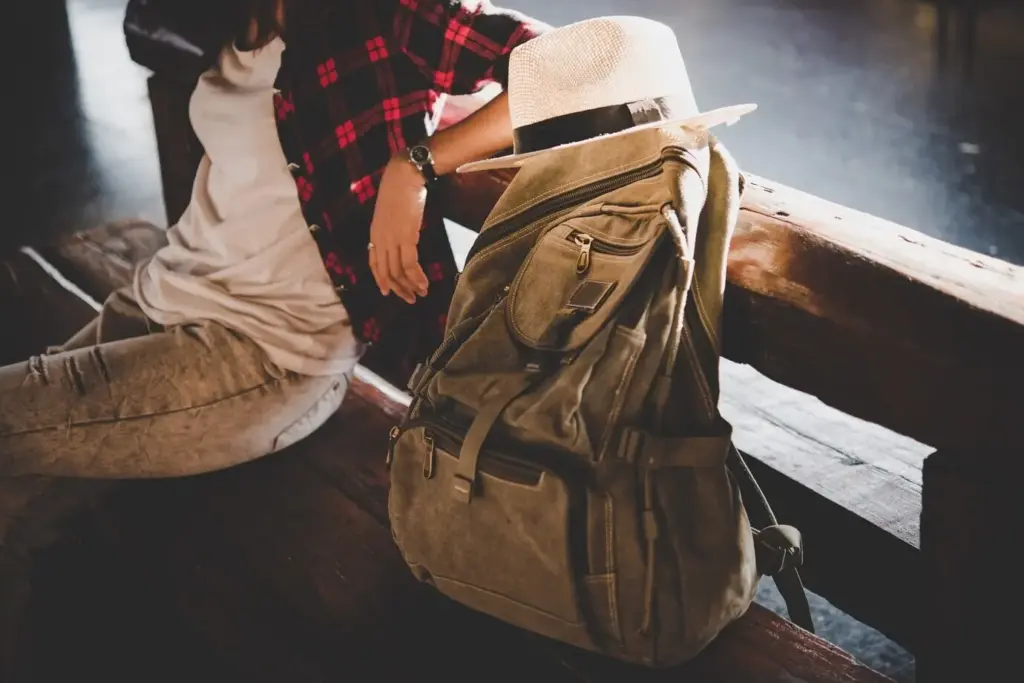
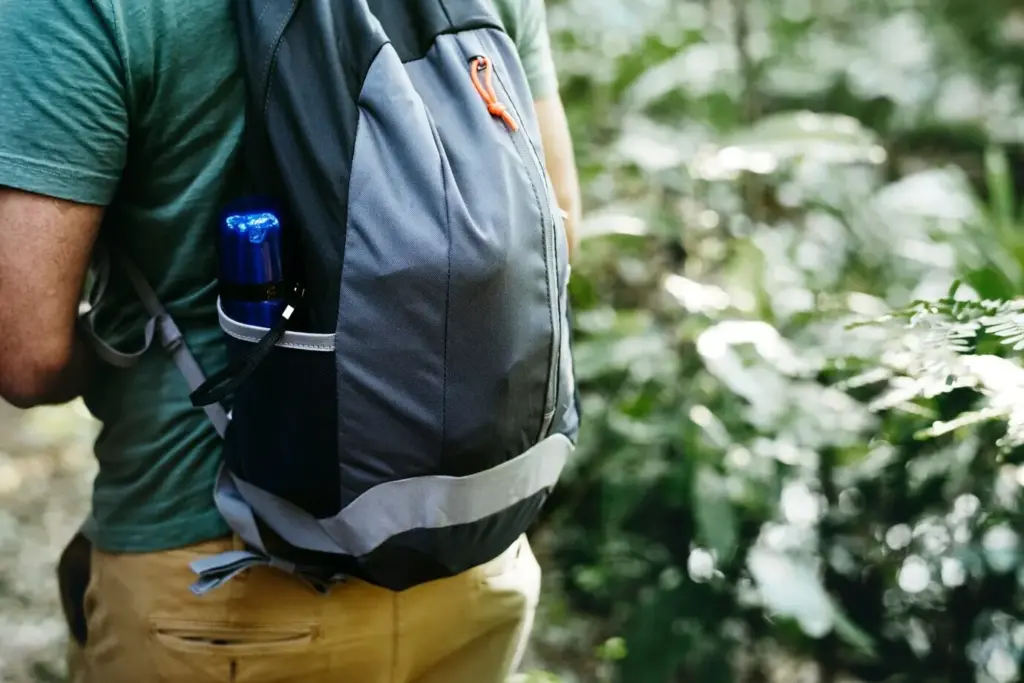
Your bag is command central, balancing comfort, quick access, and commuter courtesy. A compact sling or low‑profile backpack keeps weight tight to the body while leaving hands free for poles and grab rails. Modular pouches isolate wet from dry gear, and external docks stage tools without dangling hazards. Build an efficient layout once, then repeat it, so your muscle memory clicks every time the train doors open.
Packable Rain and Wind Protection
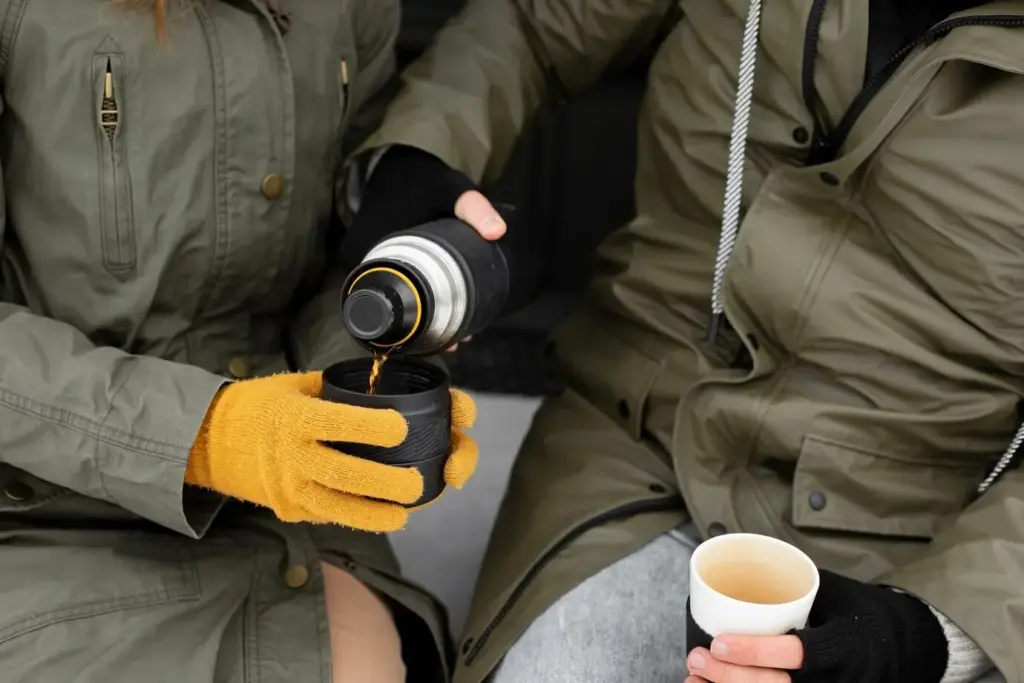
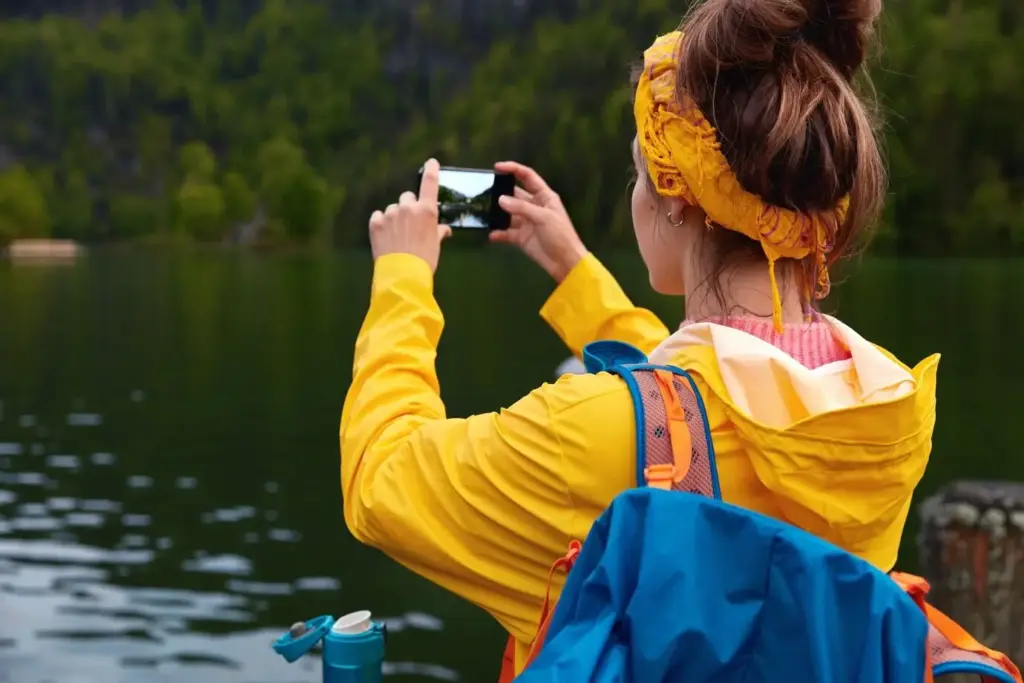
A thirty‑denier shell with taped seams and a stiffened brim keeps drizzle off optics and line. It stuffs into its own pocket beside a compact windshirt, creating a reliable micro‑system for gusty platforms. Pit zips curb condensation during hurried walks. Choose muted colors that blend into cityscapes, reducing unwanted attention. When storms pass quickly, you’ll unzip, shake dry, and be casting before puddles stop rippling.
Footwear, Traction, and Clean Exits
Urban shorelines hide algae, oil, and slick tile. Grippy rubber with siped patterns helps, and removable low‑profile cleats add bite on mossy rocks. Pack a thin shoe bag for re‑entry to transit so grit stays contained. Quick‑dry socks manage splashes, and minimalist gaiters deflect pebbles. Keep a small towel for soles; clean footwear earns goodwill from drivers, guards, and seatmates who notice the difference immediately.
Care for Fish, Rules, and Respect
Responsible catches begin with intentional rigging and end with calm handling. Barbless hooks, rubberized nets, and wet hands shorten fight and release times. Keep a digital license handy, know size limits, and measure quickly. On transit, seal wet gear, avoid strong scents, and keep rods braked. Respectful practices safeguard fisheries, maintain pleasant shared spaces, and ensure that anglers remain welcome aboard and along city waterways.
Safety, Comfort, and Micro‑Rescue
A few compact items turn mishaps into footnotes. A flat first‑aid wallet, tiny headlamp, and collapsible bottle weigh less than a spare lure yet do more for your day. Add tape for blister prevention, sanitizer, and a reflective band for night crossings. With comfort maintained, you think clearly, set hooks decisively, and keep trips enjoyable enough to repeat tomorrow without second thoughts or lingering soreness.
Planning, Apps, and Repeatable Checklists
Smart prep multiplies short windows into real opportunities. Sync transit arrival times with tide swings, sunrise edges, or discharge cycles. Offline maps mark access points, legal zones, and safe exits. A reusable checklist eliminates forgotten pliers or dead headlamps. After each session, note what worked, what snagged, and what stayed dry. Incremental refinements compound until your routine feels effortless, respectful, and astonishingly productive.
Transit Timing Meets Bite Windows
Cross‑reference route frequency with local bite cues: first light, temperature drops, or incoming tides on estuaries. If buses stack up mid‑day, plan finesse tactics then, saving power presentations for flexible mornings. Mark transfer buffers generously to avoid sprinting with rods. When transport cadence and fish behavior align, you’ll spend fewer minutes waiting and more minutes working edges where currents pinch bait tightly.
Weather, Water, and Micro‑Decisions
Use a reliable weather app plus a water‑level or tide tool to predict clarity and flow. Light drizzle can activate ambush bites along culverts; high wind pushes bait against windward walls. Track pressure trends and log response. Small gear tweaks—heavier heads, darker plastics—often match changing conditions. Prepared with data, you arrive with intent, not guesses, and adjust calmly when river moods pivot mid‑ride.
A Checklist That Actually Gets Used
Keep one master list and a short day‑trip version. Group items by pocket: tools on straps, lures in front sleeve, documents in dry wallet. Include post‑trip steps: cap hooks, air gloves, recharge headlamp, restock leader. Review before bed, not at the platform. Consistency erases stress, protects riders from stray gear, and frees your head to notice current sheens that say, quietly, cast now.