Public Transit Fishing Escapes: Reel Adventures Without a Car

Leave the parking hunt behind and hop aboard a bus, train, tram, or ferry toward water that whispers opportunity. Today we explore Public Transit Fishing Escapes, sharing smart routes, compact gear, timing strategies, and stories from riders who traded car keys for day passes, sunrise casts, and guilt-free, low-cost adventures. Bring curiosity, a light pack, and respect for fellow passengers and shorelines. Stay to the end, share your favorite transit-accessible spot, and subscribe to join a growing community of anglers finding freedom on the line.

Planning the Perfect Ride-to-River Day

Great trips begin with an itinerary that respects both the timetable and the tide. Use route planners alongside weather, flow, and tide apps to align departure times with peak bite windows, then choose platforms and stops that minimize walks and maximize safe access. Build buffer minutes for transfers, study return schedules, and pack for conditions, not fantasies. The goal is less lugging, more casting, and a relaxed journey that feels as rewarding as the first tug on your line.

Mapping stops to water access

Open your favorite map and zoom in where rails and roads brush against blue. Cross-reference station exits with public paths, ADA ramps, pedestrian bridges, and daylighted creeks. Satellite view reveals shadows of piers, docks, and gravel pullouts that buses glance past. Save pins, add notes about stairs or gates, and scout shaded benches in case rain surprises you. When in doubt, call parks departments for legal access points, then share confirmed routes with fellow riders to save them time.

Timing trains with tides and bite windows

Fish feed on schedules older than transit systems. Match first light or last light with off-peak trains to avoid crowds and carry gear comfortably. Coastal anglers should align departures with incoming tides; river anglers watch flow charts after rain. Check solunar predictions, then verify the last return home to prevent hurried final casts. Aim to arrive early enough to set up calmly, breathe, and watch the water before committing your first retrieve. Patience beats speed, especially when connections matter.

Fare hacks and passes for anglers

Day passes are often cheaper than two roundtrips if you hop lines chasing a changing wind. Off-peak discounts stretch your budget, and monthly passes justify spontaneous dawn missions. Some agencies allow free transfers within timed windows—perfect for moving from a shaded canal to a sunlit pond. Store your card in a waterproof sleeve, preload value, and screenshot service alerts. Ask about regional reciprocity on adjoining systems, and remember student or senior discounts if they apply. Savings translate directly into fresh lures.

Compact Gear That Travels Like a Pro

Your kit should move as easily through a turnstile as it does through a crosswind. Think telescopic or four-piece rods in slim tubes, mid-size reels that balance versatility, and a streamlined selection of lures covering top, mid, and bottom columns. Choose multipurpose tools, crush barbs where required, and keep pliers accessible. Weight matters when you’re standing on a platform, so trade bulky tackle boxes for soft pouches and sling packs. Every ounce saved becomes another hour fishing, not hauling.

Urban Waters Worth the Fare

Cities hum, but so do their rivers, canals, ponds, and piers. Seek edges where concrete meets cattails, and you’ll find baitfish, currents, and ambush points often unnoticed by commuters. Stocked reservoirs near transit invite quick sessions after work. Historic canals hide perch beneath arched bridges. Ferries glide past flats where stripers push bait ashore. Every stop is a chance to step into a pocket of quiet. Explore methodically, respect posted rules, and let curiosity guide your next transfer.

Etiquette, Safety, and Regulations

A respectful angler moves through the city like water—adaptable, considerate, and clean. Onboard protocols protect fellow riders and your gear. Shoreside etiquette protects friendships and habitats. Regulations protect fish, seasons, and shared futures. Learn system-specific rules for rod length, hazard items, and accessible seating. Keep hooks covered, bags tidy, and voices calm. On the bank, prioritize safe footing, give room to families, and pack out more than you carried in. Knowledge and courtesy travel farther than any lure.

Respect on board and at the platform

Transit is a shared space. Slide rod tubes vertically between your knees, not across seats. Keep hooks sheathed, baits sealed, and fish never carried uncovered inside vehicles. Avoid blocking doors; step aside for wheelchairs and strollers. Communicate with a smile when navigating crowds. On escalators, keep gear in front to prevent snags. If questioned by staff, be gracious and ready to show regulations acknowledging permitted items. Your calm demeanor builds goodwill, keeping angler access open for everyone.

Waterfront manners and shared spaces

Shorelines welcome dog walkers, photographers, and families. Cast with awareness, check behind you before every swing, and lower voices during early mornings. Offer space when someone hooks up, and rotate positions if current funnels opportunity to one narrow seam. Keep stringers out of main paths. Photograph quickly with wet hands if practicing catch and release. Thank park staff, answer curious passersby kindly, and invite respectful newcomers to try. Good manners turn strangers into allies who protect access.

Permits, licenses, and local rules

Before your first cast, verify licensing requirements, species limits, and seasonal closures. Some urban waterways have barbless-only or artificial-only sections; others restrict wading. Keep digital copies of permits and a printed backup if cell service fades. Learn fish handling guidelines to minimize stress, and carry a small measuring tape to stay honest. When in doubt, ask a ranger rather than guess. Compliance preserves fisheries and keeps public agencies supportive of transit-accessible angling opportunities for years to come.

Stories from the Line
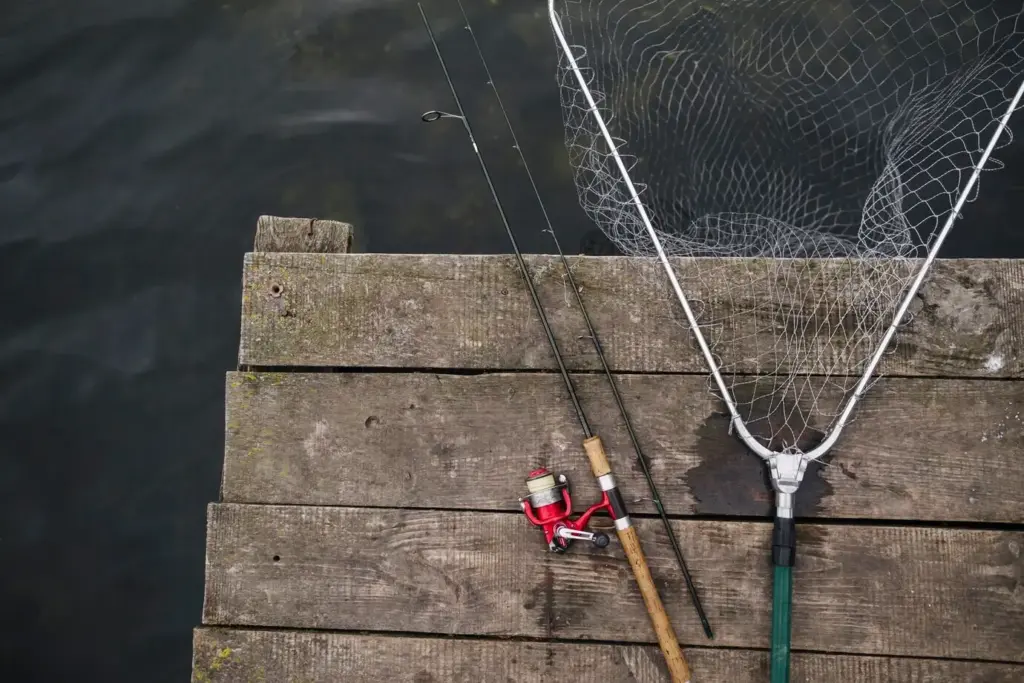
The magic of these journeys lives in moments that unfold between stations and shorelines. A lucky cast under a commuters’ bridge. A kind conductor holding doors for a dangling rod tip. A quiet thank-you from a janitor who notices your cleanup. Stories carry wisdom and courage, inspiring the next traveler to try. Read these vignettes, then share your own in the comments or replies. Your voice might become the nudge that launches someone’s first low-cost, high-joy escape.

Community, Stewardship, and Next Trips
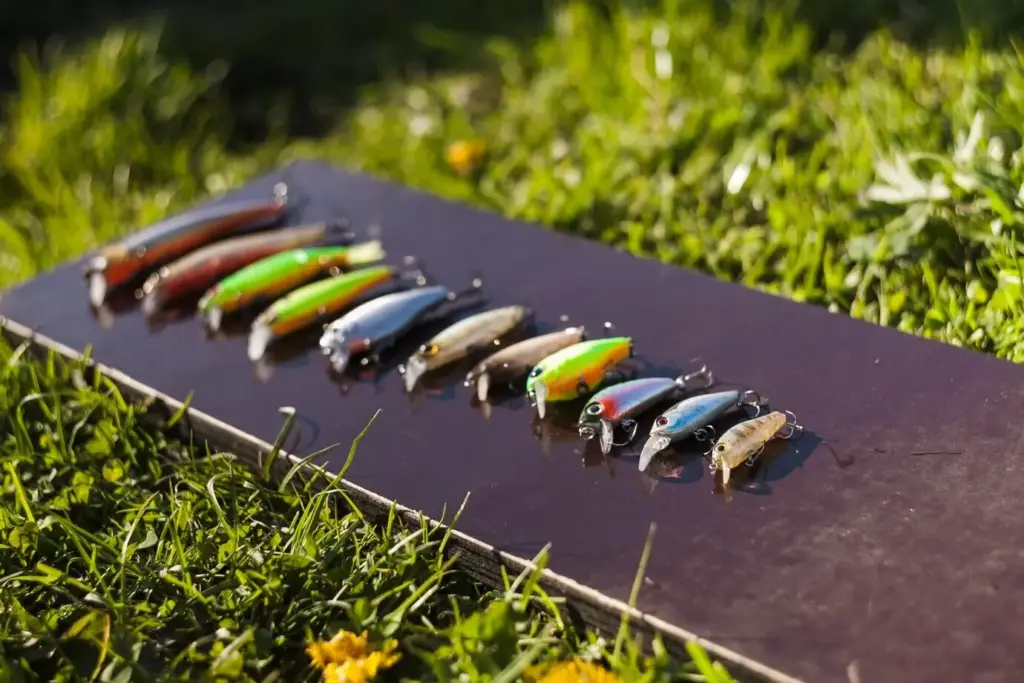
Transit fishing flourishes when riders look out for each other and the waters they visit. Share maps, report hazards, and celebrate small victories together. Pack an extra pair of pliers for a beginner. Lead micro cleanups that take five minutes but leave lasting impressions. Log conditions and sightings to help others plan wisely. Then sketch your next itinerary, aiming for a new line, a different shoreline, or a species you have never met. Adventure scales beautifully when shared.
Felivazunoxiti
Privacy Overview

This website uses cookies so that we can provide you with the best user experience possible. Cookie information is stored in your browser and performs functions such as recognising you when you return to our website and helping our team to understand which sections of the website you find most interesting and useful.