Cast More, Drive Less: Seasonal Fishing Spots You Can Reach by Transit

Today we’re diving into seasonal transit-accessible fishing hotspots—places you can reach by train, bus, or ferry without battling traffic or parking. You’ll learn how to time runs, pack smart, read schedules like tide charts, and enjoy waters that reward patience, curiosity, and a well-planned fare card. Share your favorite car-free catches and subscribe for route-tested updates all year.

Spring Runs Without the Car

When winter finally loosens its grip, urban creeks and bays awaken, and buses become shuttles to silver flashes. Plan weekday dawn trips to avoid crowds, and use shoulder seasons to scout benches, railings, and accessible banks. Spring rewards nimble anglers who pack light, adapt quickly, and trust a timetable backed by weather apps and water flow data rather than dashboards and gas gauges.

Reading Transit Maps Like River Currents

Study station spacing, transfer nodes, and short walks from stops to water just as you’d trace eddies and seams. A simple two-transfer journey can mirror a perfect drift: slow at the start, accelerating toward opportunity. Mark routes with backup exits in case flows surge, and remember that frequent service can be your safety valve when storms, schedules, or hatches shift without warning.

A Pack That Casts Above Its Weight

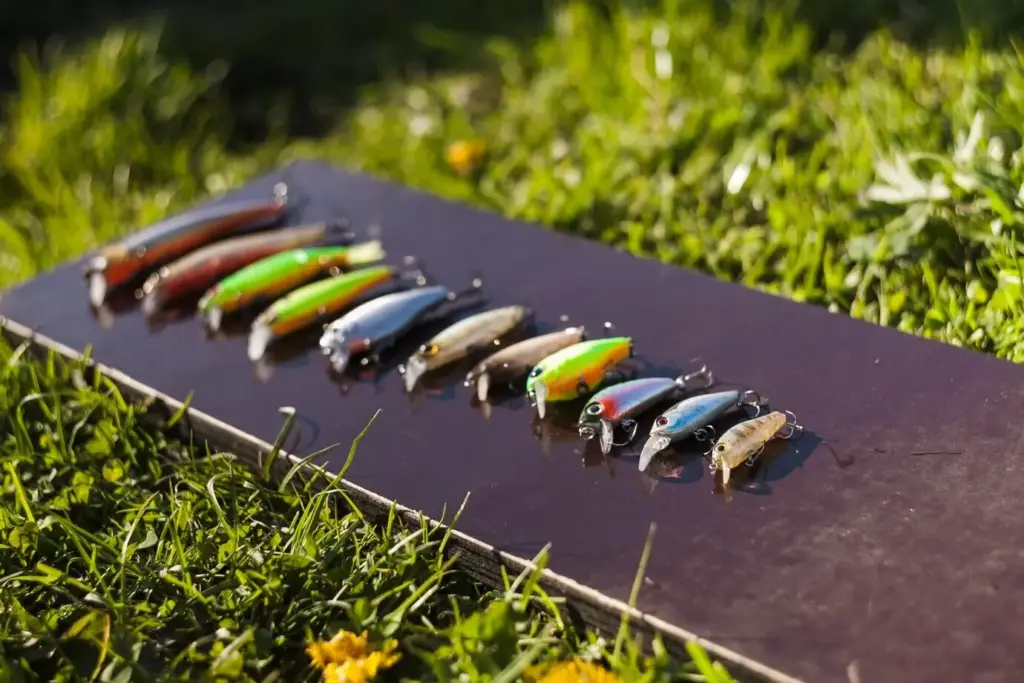
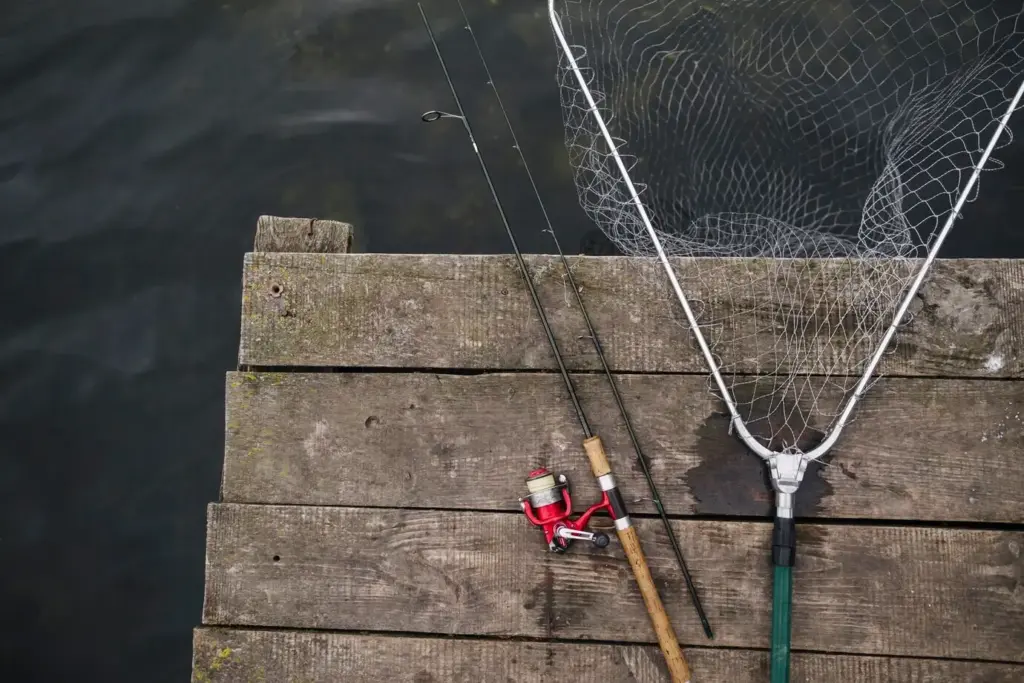
Choose a compact setup—four-piece rod, slim tackle wallet, and collapsible net—that rides comfortably standing in a crowded carriage. Swap heavy boxes for versatile lures that cover surface, mid, and bottom. Add quick-dry layers, a tiny towel clipped to your strap, and barbless hooks for safe releases near footpaths. Save space for a reusable bottle and a pocket for tickets or passes.

Pier Etiquette and Shoreline Kindness

Popular spring piers buzz with families, cyclists, and curious passersby. Cast with awareness, keep rods angled away from walkways, and land fish quickly to minimize stress. Offer quick tips, not tangles; a friendly explanation turns onlookers into advocates. Pack out monofilament, give space during netting, and celebrate others’ catches. Respectful behavior keeps these car-free access points open, clean, and welcoming.

Summer Dawn Patrol by Train and Bus
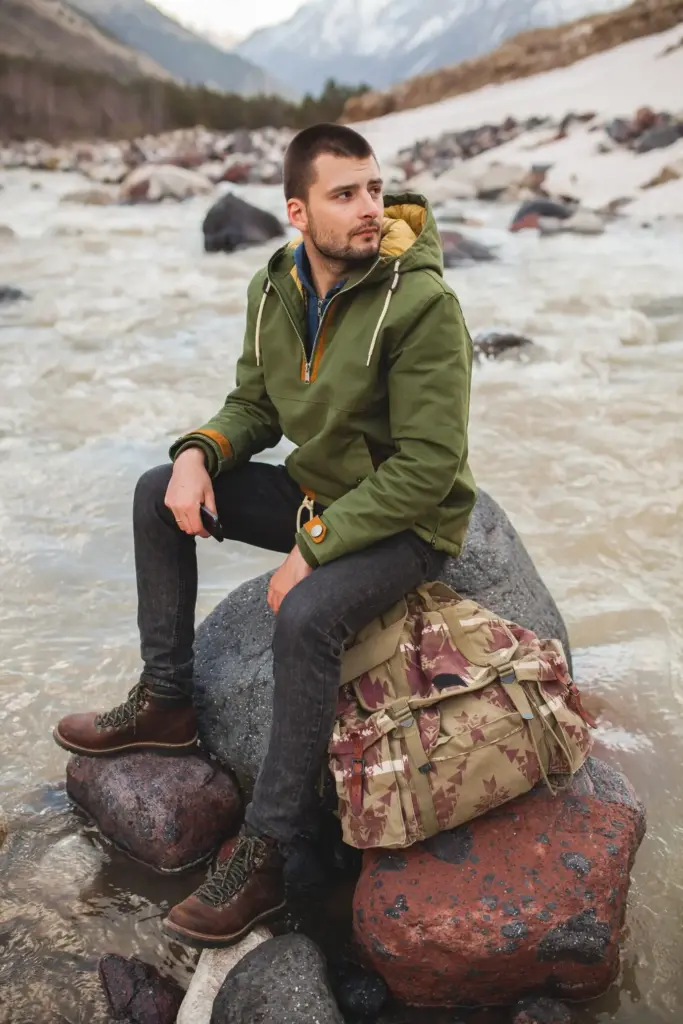
Heat pushes fish and commuters toward early starts. Catch first light with the first train, arrive as bait flickers, and leave before piers bake. Midday shade can be a ferry terminal awning, a station canopy, or a park grove. Hydration, sunscreen, and breathable sun gloves matter as much as lure color. Time returns to coincide with off-peak fares and a well-earned iced coffee.

Beating Heat with First-Light Connections
Combine an express to the waterfront with a short bus to tidal flats you scouted in spring. Summer predators roam when air is cool, wind gentle, and shadows stretch long across riprap. Keep leaders fresh, walk softly, and rotate spots quickly. If the bite fades, switch lines like switching lines—hop to a parallel route and chase a fresh breeze and a moving tide.

Warm-Water Targets and Smart Presentations

When temperatures climb, think low-light ambushes and current edges reachable from public walkways. Subtle topwaters and slim jigs cover water efficiently between ferry intervals. Carry polarized glasses to spot wakes beside pilings and shade lines under bridges. Pinch barbs before boarding, wet hands before handling fish, and revive releases facing current. Quick adjustments between stops can turn a quiet morning into steady action.

Chasing Baitfish Along Commuter Lines

Use real-time service updates like tide reports, hopping off where gulls pinwheel and surface dimples scatter. Keep retrieves erratic to mimic anxious bait near pylons. If a platform delay hits, treat it as intel-gathering time: scan horizons, note rips, and watch birds’ height for depth clues. Each stop can be an audition for your best cast of the day.

Colors, Profiles, and the Fall Light Angle

Autumn light warms, shadows sharpen, and lures that match coppery tones can shine. Try olive-brown over silver for rain-buffed clarity, or black over chartreuse at dusk. Keep profiles slender to key on rain bait and young-of-year prey. Test small changes each few casts. The right silhouette at the right glow can flip a slow afternoon into a postcard memory.

Winter Quiet Water, Short Rides

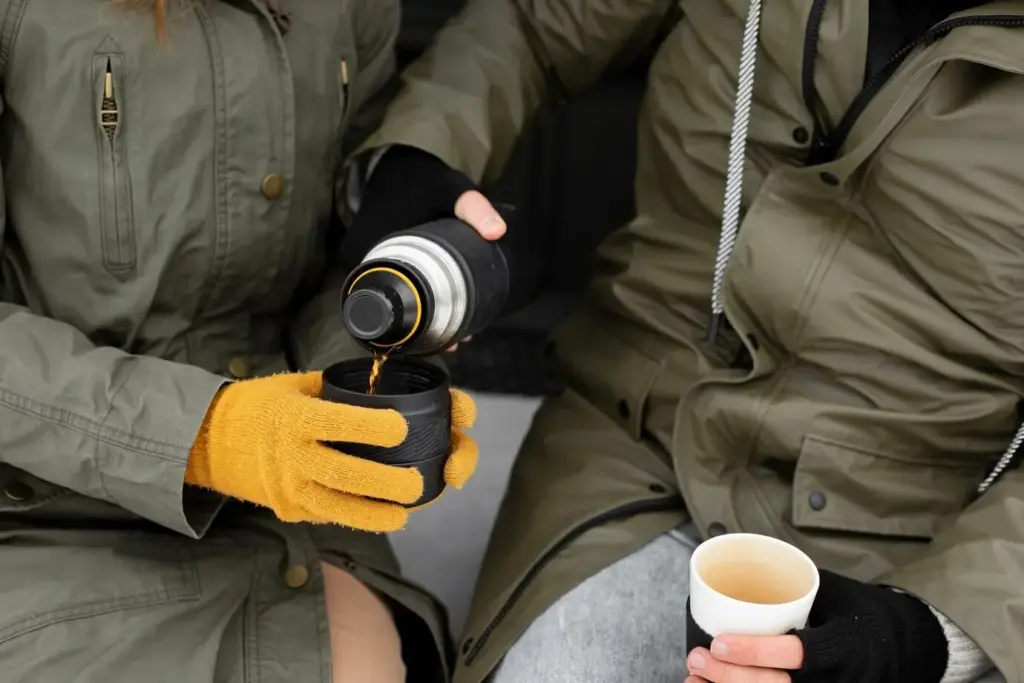
Cold months can be gentler by transit than by icy parking lots. Seek wind breaks, slower seams, and sunlit banks within a single fare zone. Fish hold deeper, so slow retrieves and patience rule. Dress in layers you can manage on trains, and carry a thermos for morale. The hush of winter rewards careful steps, subtle presentations, and warm gratitude for small victories.

Synchronizing Tides, Trains, and Transfer Buffers

If dawn high tide hits at 6:30, board the 5:20 train and leave a cushion for a brisk shoreline walk. Add ten minutes for inevitable delays. Confirm weekend schedules, note temporary closures, and snapshot diversion maps. Route rehearsal on a non-fishing day pays dividends later. A calm transfer window beats sprinting with a rod tube while your ideal current slips away.

Offline Confidence and Backup Plans

Signals vanish near seawalls and under bridges. Cache satellite tiles, pin restrooms, water fountains, and lit exits. Print a slim paper map as a final fallback. Identify a second location one stop away that fishes a different tide phase. When buses reroute or platforms crowd, pivot smoothly. Backup plans transform bad luck into fresh opportunity without wasting precious, fishable minutes.

Community Intel Without Oversharing

Trade patterns, not precise pins. Share tide windows, lure styles, and safety tips while preserving fragile shoreline capacity. Join local forums, transit rider groups, and waterfront cleanups to earn trust and learn seasonal rhythms. A respectful culture keeps access open, nurtures beginners, and discourages litter. Invite readers to comment their train-friendly strategies, and subscribe for monthly, responsibly curated, route-based fishing reports.

Inclusive, Affordable, and Sustainable Angling

Public transit lowers barriers and invites everyone to the water: students, seniors, families, and anglers without cars. Choose accessible ramps, benches, and firm paths where skill—not horsepower—sets the pace. Practice selective harvest, pinch barbs, and pack out line. People notice how we behave at busy waterfronts. Responsible choices safeguard access and prove that city fishing can be generous, fair, and enduring.

Welcoming New Anglers and Different Abilities

Pick stations with elevators, wide platforms, and short, flat approaches. Share simple rigs, knot diagrams, and a printed license checklist. Offer to photograph someone’s first catch and celebrate that memory. Keep casts compact in shared spaces. Thoughtful inclusion strengthens the angling community, inspires future stewards, and demonstrates that great fishing lives within reach of a fare, a smile, and patient guidance.

Leave No Trace Along Busy Corridors

Discarded line and hooks threaten birds and pets near promenades. Pack a small trash bag, snip tags short, and stash used leaders in a dedicated container. Respect landscaping and signage, and avoid blocking ramps with gear. A quick shoreline sweep before departure earns goodwill from neighbors and staff. Clean spots fish better, photograph better, and stay open longer for everyone.

Challenges, Stories, and Subscriber Meetups
Join our monthly transit-to-tide challenge: one fish, one route, one photo that shows your car-free journey. Share a brief story about a memorable transfer or a kind stranger who lent a knife. Comment with tips, request route breakdowns, and vote on upcoming guides. Subscribers get early access to seasonal schedules, printable packing lists, and invitations to small, friendly shoreline gatherings.
Felivazunoxiti
Privacy Overview

This website uses cookies so that we can provide you with the best user experience possible. Cookie information is stored in your browser and performs functions such as recognising you when you return to our website and helping our team to understand which sections of the website you find most interesting and useful.